TownIn

Amma Hotel

Amma Hotel, Puthiyara Road,
Near Gokulam Gopalan Road, Puthiyara,
Kozhikode, 673004

4.0

Out of 5 reviews

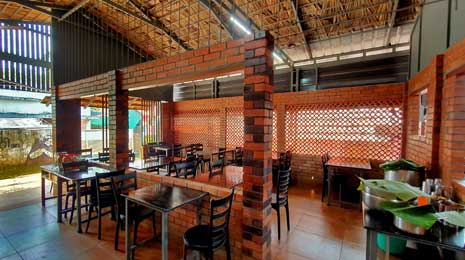
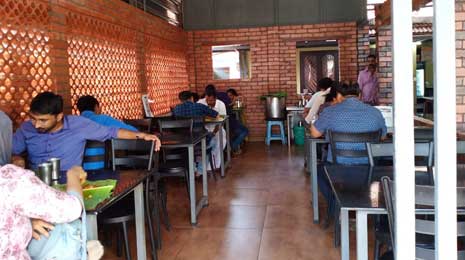
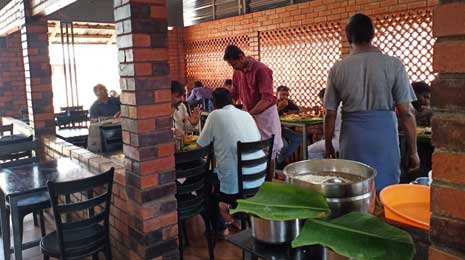
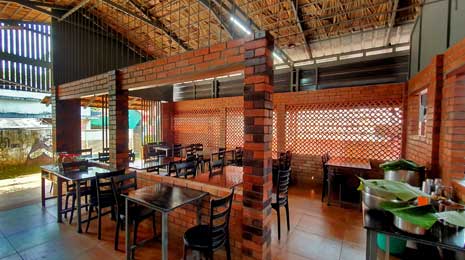
Amma Hotel, Puthiyara, Kozhikode

Amma Hotel, Puthiyara, Kozhikode is one of the best in the field of Restaurants in Kozhikode.

Location, Overview and Description:

Amma Hotel, Puthiyara, Kozhikode was established in the year 1976. Amma Hotel, Puthiyara, Kozhikode is one of the best in the field of Restaurants in Kozhikode. This well established firm has become popular for its excellent service and customer orientation. With this excellent customer service, they succeeded in getting a huge base of customers, which is increasing day by day. ย The dedicated employees of the firm who are committed to their roles and customers, are always ready to extend their service to the customers, to achieve the vision and the larger goals of the company. The company aspires to extend their service to a larger clientele in the coming days. Located at one of the prime locations in the city, is yet aher advantage. As there are various mode of transport available to reach this location, there is absolutely no difficulty in reaching here. The prominent landmark is Near Gokulam Gopalan Road.

Services offered by Amma Hotel, Puthiyara, Kozhikode:

We are one of the best in the field of Restaurants in Kozhikode. The working hours are from 12:00 PM - 04:00 PM.

Water Treatment Plants in Ernakulam

๐Ÿ’ง Importance of Water Treatment Plants

Water is one of the most vital resources for human survival, industrial development, and environmental sustainability. However, due to growing urbanization, pollution, and industrial waste, clean and safe water is becoming increasingly scarce. Water treatment plants play a crucial role in ensuring that contaminated water is purified and made safe for consumption. These plants use advanced processes such as filtration, sedimentation, chlorination, and reverse osmosis to remove harmful impurities, bacteria, and toxins. By doing so, they not only provide safe drinking water but also protect public health and maintain ecological balance.


This is where Water Treatment Plants play a crucial role. They ensure that water is purified, safe for drinking, and suitable for domestic, industrial, and agricultural use.


๐ŸŒ Ensuring Safe Drinking Water

One of the primary purposes of water treatment plants is to provide safe and potable water. They remove harmful contaminants such as bacteria, viruses, heavy metals, and chemicals. Without these treatment systems, people would be at risk of severe waterborne diseases like cholera, typhoid, and diarrhea. Access to treated water not only improves health but also enhances overall quality of life.


๐Ÿญ Supporting Industries and Agriculture

Industries require large volumes of clean water for production processes, cooling, and cleaning. Similarly, agriculture depends heavily on water for irrigation. Water treatment plants make it possible to recycle and reuse wastewater, reducing wastage and ensuring a sustainable water supply for economic development. This balance supports growth while conserving natural resources.


๐ŸŒฑ Protecting the Environment

Discharging untreated water into rivers, lakes, or oceans can severely harm aquatic ecosystems. Water treatment plants prevent this by treating sewage and industrial effluents before releasing them into natural sources. This reduces pollution, protects biodiversity, and maintains the ecological balance. In addition, advanced treatment systems promote water conservation through recycling and reuse.


๐ŸŒ Availability of Water Treatment Plants in Ernakulam

Water treatment plants are found in both urban and rural areas, designed to meet the needs of communities, industries, and agricultural requirements. In metropolitan cities, large-scale treatment plants cater to millions of residents, while smaller, decentralized plants are installed in rural or industrial areas. Governments, private organizations, and environmental agencies invest heavily in water treatment infrastructure to ensure sustainable water supply. Today, treatment plants are also designed to recycle wastewater, providing a reliable water source for non-drinking purposes such as agriculture, construction, and industrial use.

Water is a necessity for survival, yet the availability of clean and safe water is not uniform across the globe. Water Treatment Plants (WTPs) have been established to meet this critical demand, but their presence and accessibility vary depending on location, development, and resources.


๐Ÿ™๏ธ Urban Areas and Cities

In most urban regions, water treatment plants are widely available and serve as the backbone of municipal water supply systems. These plants treat water from rivers, lakes, and reservoirs, ensuring it is safe for consumption. With rising populations in cities, modern water treatment technologies are being adopted to meet the growing demand for clean water.


๐Ÿž๏ธ Rural and Semi-Urban Areas

In rural areas, access to water treatment plants is still limited. Many villages rely on wells, boreholes, or untreated surface water, which often leads to health risks. However, governments and NGOs are increasingly investing in small-scale and decentralized treatment units such as filtration systems, community-level plants, and portable purification devices to bridge this gap.


๐ŸŒ Global Perspective

Globally, the availability of water treatment plants varies greatly. Developed nations have well-established treatment infrastructure, while many developing countries face challenges due to lack of funding, technology, and maintenance. To address this, international organizations are promoting sustainable water treatment solutions, such as solar-powered filtration, desalination, and wastewater recycling.


๐Ÿญ Customer Expectations from Water Treatment Plants in Ernakulam

Customers and communities expect water treatment plants to provide consistent, safe, and high-quality water. Modern consumers are increasingly aware of health risks linked to contaminated water, which drives the demand for advanced filtration technologies. People also look for eco-friendly treatment solutions that reduce chemical usage and minimize environmental impact. In addition, industries and businesses expect customized treatment plants designed to handle specific types of water contamination based on their operations. Affordability, reliability, and efficiency are among the key expectations, making innovation and sustainability critical factors in the design of modern water treatment systems.

Water Treatment Plants (WTPs) are not just about purifying water โ€” they are about building trust, reliability, and sustainability. Customers, whether individuals, industries, or municipalities, have specific expectations when investing in or depending on a water treatment system. Meeting these expectations is crucial for long-term satisfaction and success.


๐Ÿ’ง High-Quality & Safe Water

The first and foremost expectation is clean, safe, and potable water. Customers want assurance that treated water is free from harmful bacteria, viruses, chemicals, and heavy metals. They expect the plant to meet national and international water quality standards, ensuring health and safety for all uses โ€” drinking, domestic, industrial, or agricultural.


โš™๏ธ Efficiency & Advanced Technology

Customers look for water treatment plants that are efficient, reliable, and technologically advanced. They expect features such as energy efficiency, automation, minimal downtime, and cost-effective operations. Easy monitoring systems, digital controls, and eco-friendly solutions are becoming highly valued in modern treatment facilities.


๐ŸŒฑ Sustainability & Environmental Care

In todayโ€™s world, customers expect water treatment plants to be environmentally responsible. This includes:

  • Recycling and reusing wastewater.

  • Reducing chemical use.

  • Minimizing energy consumption.

  • Ensuring safe disposal of sludge and byproducts.

Sustainable practices not only protect the environment but also enhance the brand reputation of service providers.


๐Ÿค Service, Maintenance & Trust

Beyond just installation, customers expect ongoing support โ€” regular maintenance, quick technical assistance, spare parts availability, and transparent communication. Trust and reliability are built through after-sales service and consistent performance.


Frequently Asked Questions About Water Treatment Plants in Ernakulam


1. What is a water treatment plant?
A water treatment plant is a facility designed to purify and filter contaminated water to make it safe for drinking, industrial, or agricultural use.

2. How do water treatment plants work?
They use physical, chemical, and biological processes like sedimentation, filtration, and disinfection to remove impurities.

3. Why are water treatment plants important?
They ensure safe water for public health, reduce waterborne diseases, and support sustainable water usage.

4. What types of water treatment plants exist?
Common types include drinking water treatment plants, wastewater treatment plants, and industrial treatment systems.

5. Can water treatment plants recycle wastewater?
Yes, advanced plants recycle wastewater for agriculture, industry, and non-drinking purposes.

6. What is the main process in water treatment?
Processes include coagulation, sedimentation, filtration, and disinfection.

7. Are water treatment plants eco-friendly?
Modern plants focus on eco-friendly methods with less chemical use and energy-efficient technologies.

8. How do industries benefit from water treatment plants?
They get customized solutions for treating wastewater and reusing water efficiently.

9. Do water treatment plants remove bacteria and viruses?
Yes, they are designed to eliminate harmful microorganisms through disinfection processes.

10. How can communities maintain water treatment plants?
By regular monitoring, professional maintenance, and upgrading technology when needed.